



A Simple Roadmap for Better Local Search Visibility
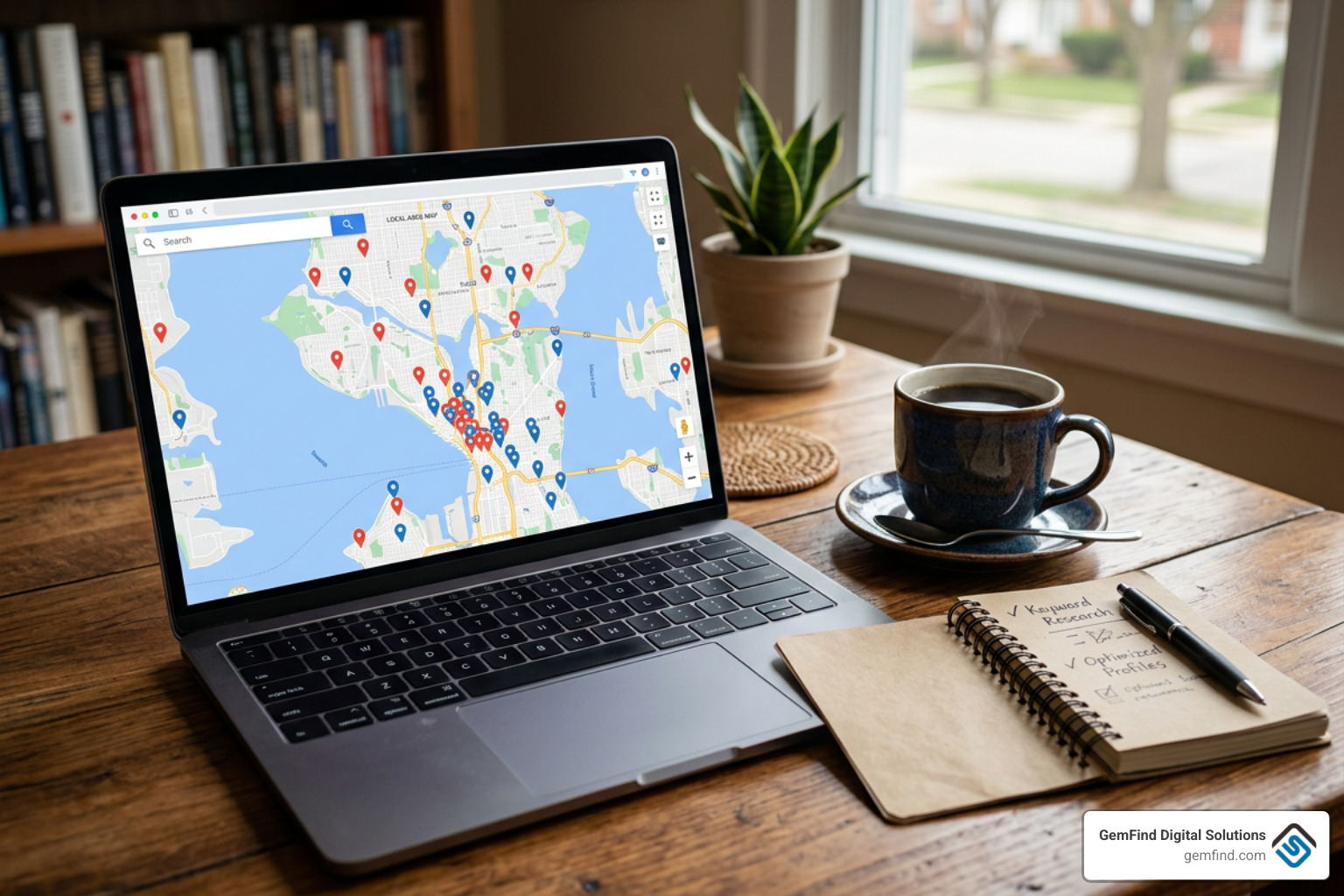
For practical help with local SEO, start with five actions: fully complete your Google Business Profile, make your name, address, and phone number match everywhere online, earn real customer reviews, publish useful local content, and track calls, direction requests, and rankings.
These steps help a jewelry store appear when nearby shoppers search for terms like "jewelry store near me," compare Google Maps listings, or ask an AI search tool for local recommendations. Local visibility matters because 46% of Google searches have local intent, and 76% of people who search for something nearby on a phone visit a business within a day.
In 2026, local SEO is not just about ranking in Google's map results. Your business details, reviews, website content, photos, and local mentions also shape whether AI tools such as ChatGPT, Perplexity, and Gemini can understand and recommend your store. Start with accuracy and trust before chasing advanced tactics.
I am Morgan Price, a white-hat backlink outreach specialist who helps businesses build credible local authority through research, relationships, and earned editorial links. In this guide, I will show you where to get help with local SEO while building a sustainable presence that can attract more nearby shoppers.
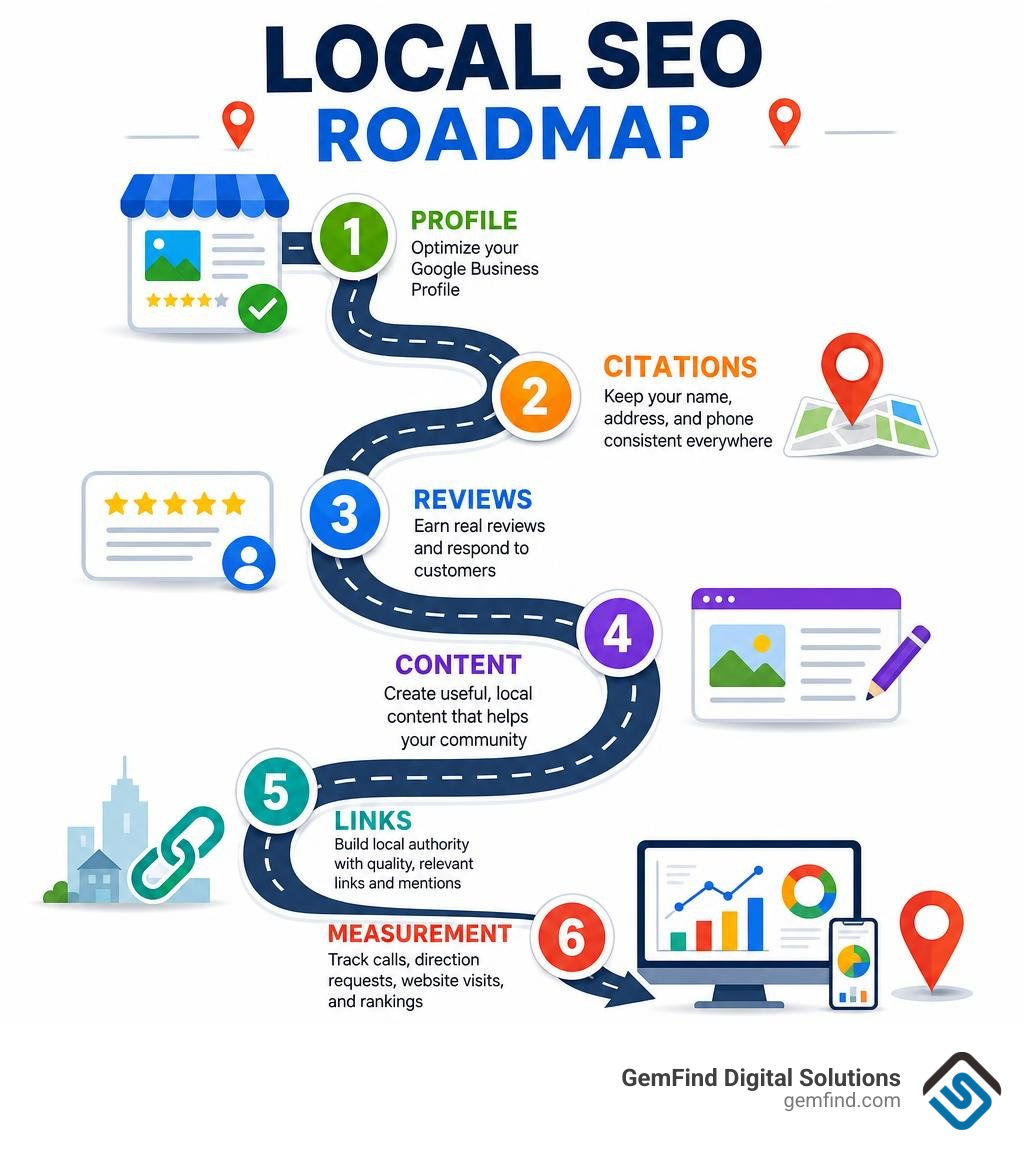
Help with local seo terminology:
Why Local Businesses Need Expert Help with Local SEO in 2026
Local discovery has shifted dramatically. With over 60% of all local queries originating on mobile devices, users rarely scroll past the top three map results or AI summaries. In fact, zero-click searches—where searchers find hours, addresses, or product availability directly on the search engine results page—dominate the landscape. When potential clients look for specialized services nearby, they rely on immediate digital prominence to make their purchasing decisions.
Establishing entity trust is the core driver of local visibility today. Search engines do not merely match keywords; they evaluate the credibility of your business entity across the entire web. If your digital footprint is fragmented, your business gets overlooked in favor of competitors with established prominence. Learning how to make a local SEO strategy to boost local visibility allows businesses to build this foundation systematically.
For specialized retailers and service brands, partnering with knowledgeable professionals makes all the difference. Investing in local SEO services for small business ensures your technical architecture, localized content, and business citations align perfectly with modern search engine algorithms, turning local online searches into physical store foot traffic.
The 5-Step Execution Roadmap for Local Search Optimization
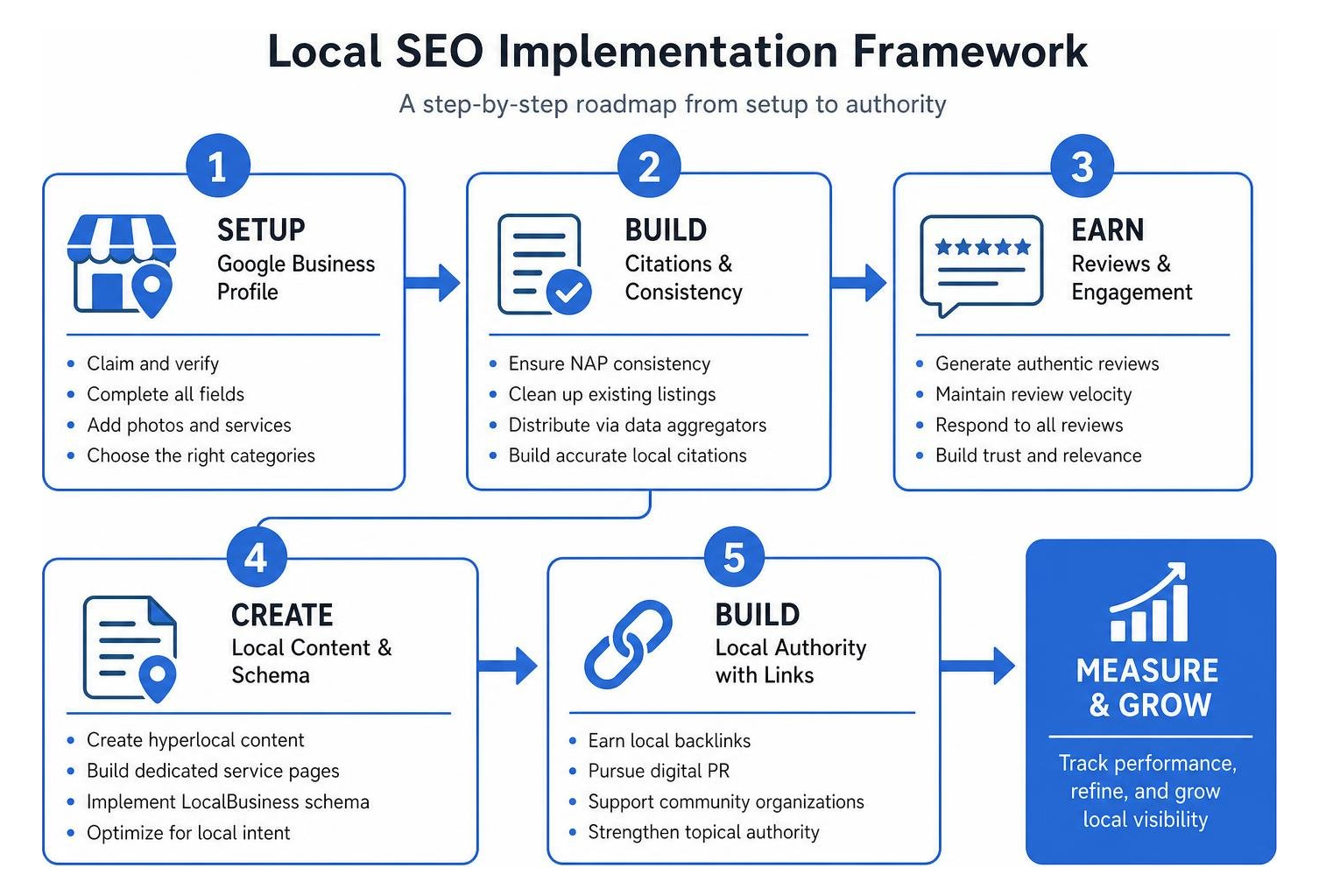
Executing a sustainable local optimization campaign requires balancing high-impact quick wins with technical foundations. The priority framework below outlines how core ranking factors compare in terms of impact and setup complexity:
| Optimization Factor | Ranking Impact | Implementation Complexity | Primary Focus Area |
|---|---|---|---|
| Google Business Profile | Very High (32% of signals) | Moderate | Category selection, complete fields, visual assets |
| Review Generation & Velocity | High | Ongoing | Review volume, recency, authentic responses |
| NAP Data & Citation Consistency | Moderate to High | Low to Moderate | Directory cleanup, data aggregator distribution |
| Hyperlocal Content & Schema | High | Moderate to High | Dedicated service pages, LocalBusiness markup |
| Local Backlinks & Digital PR | High | High | Community sponsorships, local editorial mentions |
To visualize how these steps build on one another over time, follow this step-by-step implementation sequence:
Step 1: Claim and Master Your Google Business Profile
Your Google Business Profile (GBP) accounts for approximately 32% of your overall local ranking signal. Consumers are 2.7 times more likely to consider a business reputable when its profile is 100% complete.
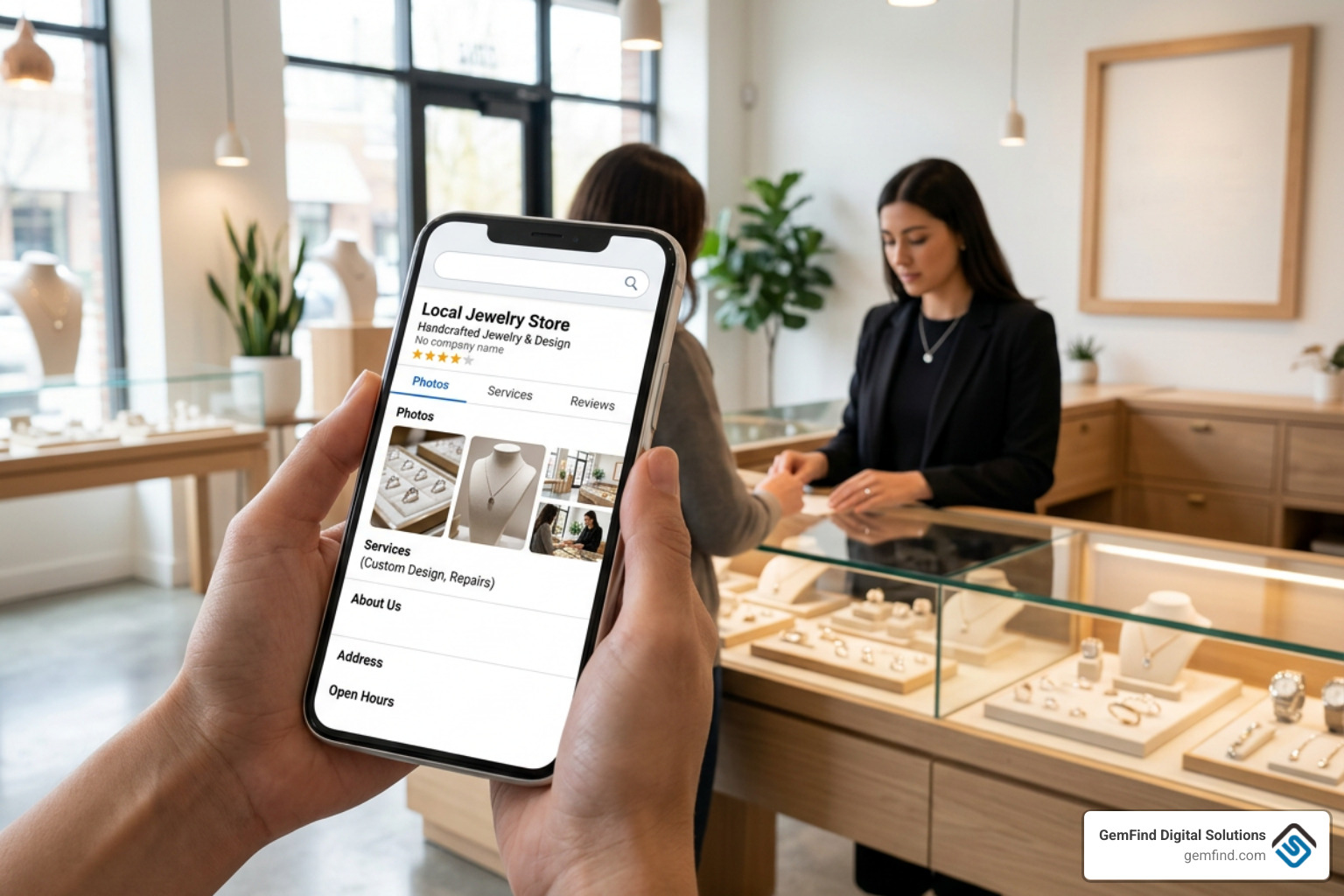
To maximize your visibility, execute these essential optimizations:
- Primary and Secondary Categories: Select the single most accurate primary category for your core business (e.g., "Jewelry Store" or "Jewelry Designer"), followed by specific secondary categories that capture your supporting services.
- Services and Products List: Build out individual entries for every service you offer. Include clear descriptions, pricing parameters, and direct links to relevant website landing pages.
- Visual Assets: Upload high-resolution interior, exterior, team, and product photos. Profiles featuring regular photo additions receive 42% more requests for directions and 35% more website click-throughs.
- Weekly Freshness: Publish weekly Google Posts highlighting seasonal collections, special events, or educational buying tips to signal ongoing operational activity.
For an in-depth breakdown of map pack algorithms, review our comprehensive local maps SEO guide 2026.
Step 2: Standardize NAP Data and Core Directory Citations
Name, Address, and Phone Number (NAP) consistency across the web signals legitimacy to search engine crawlers. When directories display conflicting phone numbers or outdated suite numbers, search engines lose confidence in your entity data.
Research shows that businesses with consistent citations across 40 or more reputable directories rank an average of 3.1 positions higher in the Maps Pack than those with fewer than 10 citations. Begin by auditing Tier 1 platforms such as Apple Maps, Bing Places, Yelp, and primary data aggregators like Data Axle and Localeze. Identify and merge duplicate listings, standardize street abbreviations (such as "Ste" versus "Suite"), and ensure your published phone number matches across every profile.
Step 3: Build an AI-Ready Review Acquisition Engine
Online reputation directly dictates conversion rates. Today, 97% of consumers read online reviews for local businesses, and 41% state they always check reviews before browsing, up from 29% in previous years. Furthermore, review volume, velocity, and keyword sentiment serve as vital prominence signals for search engines.
- Streamline the Ask: Provide a direct Google review shortlink via automated email or SMS receipts shortly after a customer completes a purchase.
- Encourage Detail: Prompt satisfied clients to mention the specific service or product they purchased, which naturally weaves semantic keywords into your profile.
- Maintain a 24-Hour Response Protocol: Respond to every review—positive or negative—promptly and professionally. Acknowledge customer feedback directly to demonstrate active, trustworthy customer care.
Step 4: Publish Hyperlocal Content and On-Page Schema
Generic service pages fail to capture area-specific intent. To dominate neighborhood searches, create dedicated location pages and service-area guides that incorporate local landmarks, regional terminology, and neighborhood context.
Structure each page with advanced JSON-LD structured data. Implement LocalBusiness schema on your primary pages and validate FAQPage schema on informational sections to earn rich snippets. Ensure your mobile page speed loads under 2.5 seconds to maintain high Core Web Vitals scores. For specialized retailers, understanding how to rank in jewelry stores near me searches provides a blueprint for structuring local-intent landing pages that convert nearby traffic.
Step 5: Acquire High-Authority Local Backlinks
While broad links build domain authority, locally relevant backlinks build geographic prominence. Search engines look for validation from surrounding community organizations to confirm your physical presence.
Focus on acquiring links from:
- Local Chambers of Commerce and regional business associations
- Sponsored community sports teams, charity galas, and art initiatives
- Regional news features and local business spotlights
- Strategic partnerships with non-competing neighboring businesses (such as event venues or bridal boutiques)
Optimizing for AI Search Engines and Emerging Local Discovery
The local search ecosystem has expanded beyond traditional search engine results pages. Recent data reveals that 45% of consumers now utilize AI search tools for local service discovery, compared to just 6% a year ago. Moreover, 30% to 40% of conversational searches now occur across AI-driven platforms.
AI models synthesize unstructured web copy, review sentiment, and schema markup rather than relying solely on traditional link metrics. Ensuring your entity is clearly defined in structured data and referenced consistently across authoritative regional publications guarantees inclusion in conversational answers.
Where to Find Practical Help with Local SEO for AI Engines
To prepare your brand for generative search discovery, focus on structured data depth. AI platforms prioritize businesses with clean, unambiguous entity attributes. Validated schema markup that outlines opening hours, accepted payment methods, geo-coordinates, and direct service categories allows AI crawlers to parse your business details without ambiguity.
For a deeper dive into technical frameworks, explore how to optimize your local SEO for your jewelry business to structure your digital assets for modern AI visibility.
How to Secure Citations in ChatGPT, Perplexity, and Gemini
Securing visibility in AI engines requires meeting rigorous verification thresholds. AI local packs surface only 32% as many unique businesses as traditional local packs, with platforms like ChatGPT recommending approximately 1.2% of local business locations, Gemini reaching 11%, and Perplexity sitting at 7.4%.
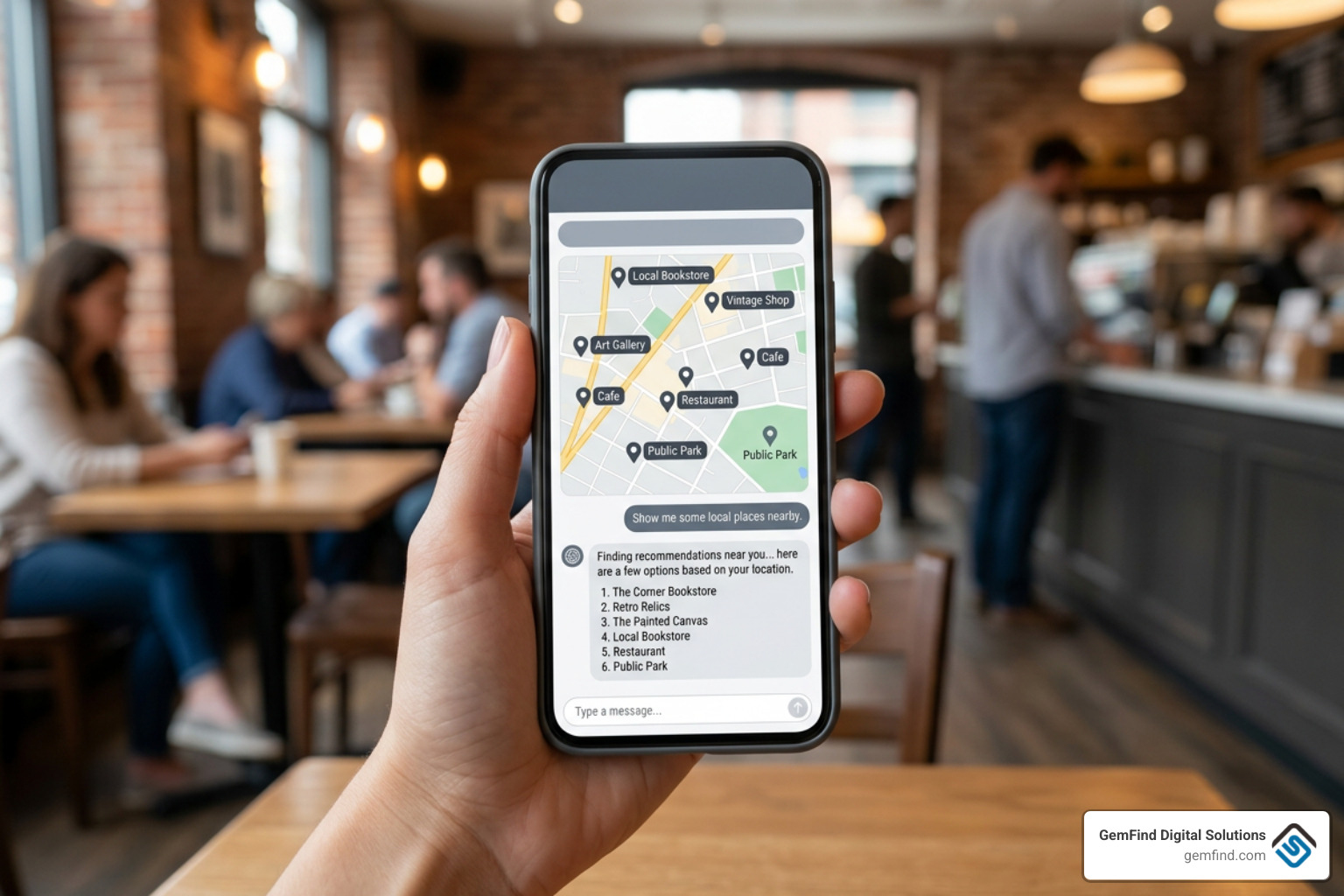
However, when an AI engine does recommend a local business, the impact is substantial: AI-recommended businesses experience between 4 to 23 times higher call conversion rates than traditional search listings.
To maximize your citation probability:
- Maintain comprehensive
FAQPageschema addressing real customer questions. - Cultivate detailed reviews across independent third-party platforms.
- Keep your brand narrative consistent across social channels, local press, and directory listings.
Tracking Performance, Measuring ROI, and Avoiding Common Pitfalls
Local SEO is an ongoing operational commitment. Businesses that maintain a regular optimization and audit routine retain 85% to 95% of their ranking gains over 12 months, whereas unmaintained profiles often see ranking erosion within 4 to 5 months.
Avoid high-risk tactics that trigger algorithmic penalties:
- Never Stuff Keywords into Your Business Title: Use your legal business name on your GBP without artificial keyword appendages.
- Never Buy Fake Reviews or Offer Incentives: Artificially generated reviews violate platform guidelines and can lead to profile suspension.
- Avoid Thin, Duplicated Location Pages: Ensure every service area page contains unique, locally tailored copy.
Diagnostic Checklist: When to DIY vs. Seek Professional Help with Local SEO
Deciding whether to manage your optimization in-house or engage professional assistance depends on your resources and market competition:
- DIY Optimization Is Suitable If: You operate a single location in a low-competition market, have 5 to 10 hours weekly to manage content and citation audits, and possess basic technical knowledge for schema validation.
- Professional Agency Support Is Recommended If: You manage multiple locations, compete in dense metropolitan markets, have hit a ranking plateau on page two, or need deep POS and inventory integrations with your local digital channels.
Discover how specialized strategies drive measurable sales by reading how local SEO can help jewelers attract more customers.
Geo-Grid Rank Tracking and Local Visibility Metrics
Standard rank tracking tools fail to capture the localized nature of map search results. A business ranking #1 directly outside its storefront might rank #12 just three miles away.
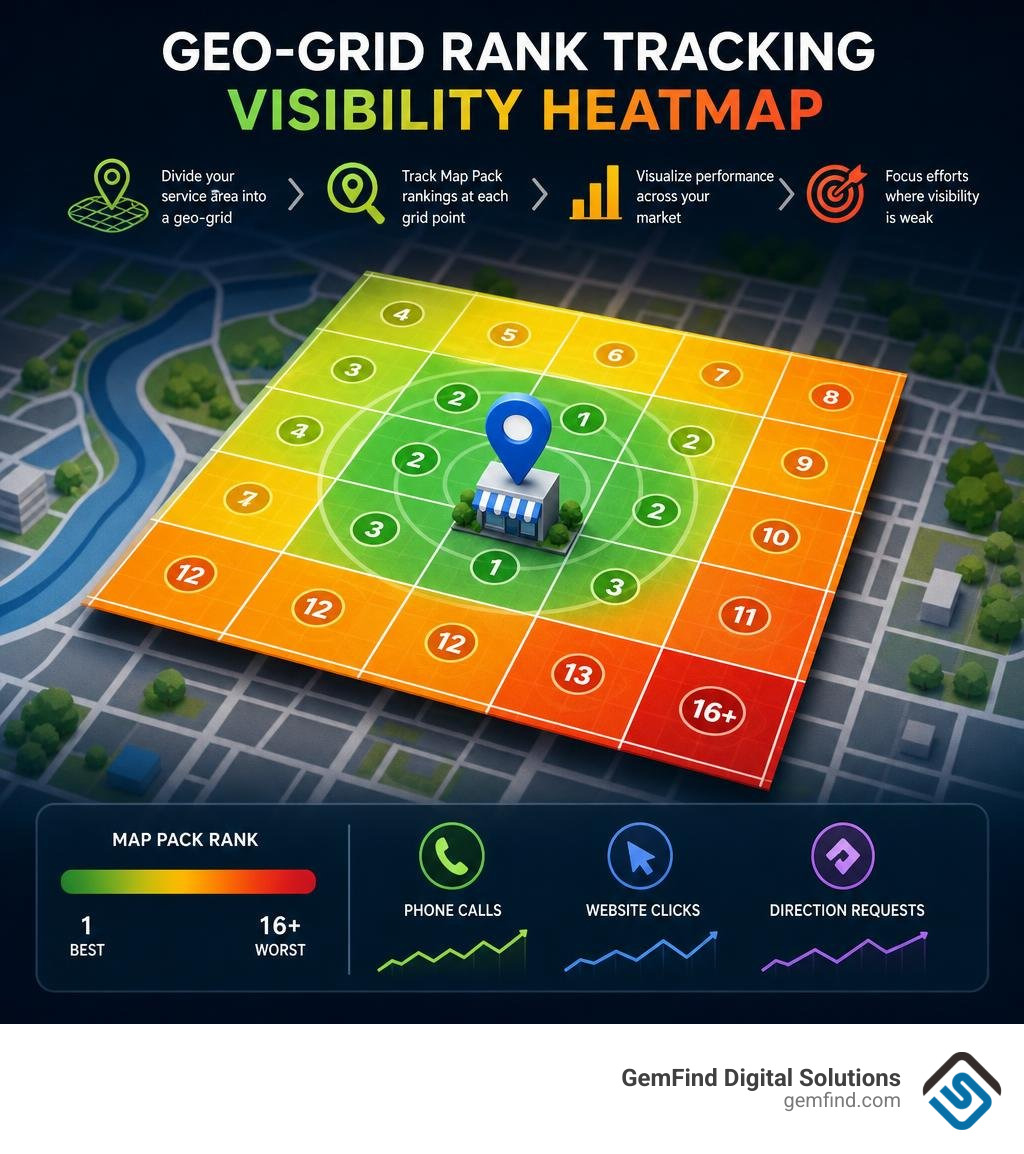
Utilize geo-grid heatmaps to track your Map Pack rankings across specific geographic coordinates in your market. Supplement heatmaps by tracking primary conversion actions inside your GBP dashboard, including phone calls, website clicks, and direction requests. To achieve comprehensive market leadership, explore our dedicated strategies for local organic ranking domination for jewelers and Google Map domination for jewelers.
Frequently Asked Questions About Local Search Optimization
How long does it typically take to see results from local SEO?
For an established profile in a moderate-competition area, targeted optimizations (such as correcting categories, adding photos, and standardizing citations) can generate increased visibility and calls within 2 to 4 weeks. For new profiles or highly competitive metropolitan markets, achieving top-three Map Pack rankings typically requires 60 to 120 days of consistent review generation, local link acquisition, and content publishing.
What is the most common DIY local SEO mistake to avoid?
The most common DIY mistake is neglecting the Google Business Profile services section and failing to maintain identical NAP data across directories. Leaving services undefined prevents your profile from matching long-tail conversational searches, while mismatched addresses confuse search engine entity mapping.
How do I optimize my website to appear in "near me" searches?
Ranking for "near me" queries does not require putting the phrase "near me" into your text. Instead, search engines calculate proximity, relevance, and prominence. Optimize for these searches by fully claiming your GBP, adding localized schema markup with precise geo-coordinates, ensuring your website is optimized for mobile speed, and earning consistent local customer reviews.
Conclusion
Local search optimization in 2026 demands a complete approach: maintaining accurate entity data, generating steady customer reviews, publishing localized content, and structuring technical data for AI discovery. When these elements work together, your business establishes the prominence needed to dominate Map Packs and conversational AI recommendations.
At GemFind Digital Solutions, we have provided tailored digital marketing, web development, and local optimization solutions for over 25 years. As a certified Google and Shopify Partner, our team understands the nuanced challenges of luxury retail and service businesses. Whether you need seamless Edge POS integration or a comprehensive strategy to outrank regional competitors, discover how our tailored local SEO services for small business can help your business capture lasting local market share today.


