


How to Add SEO to a New Website
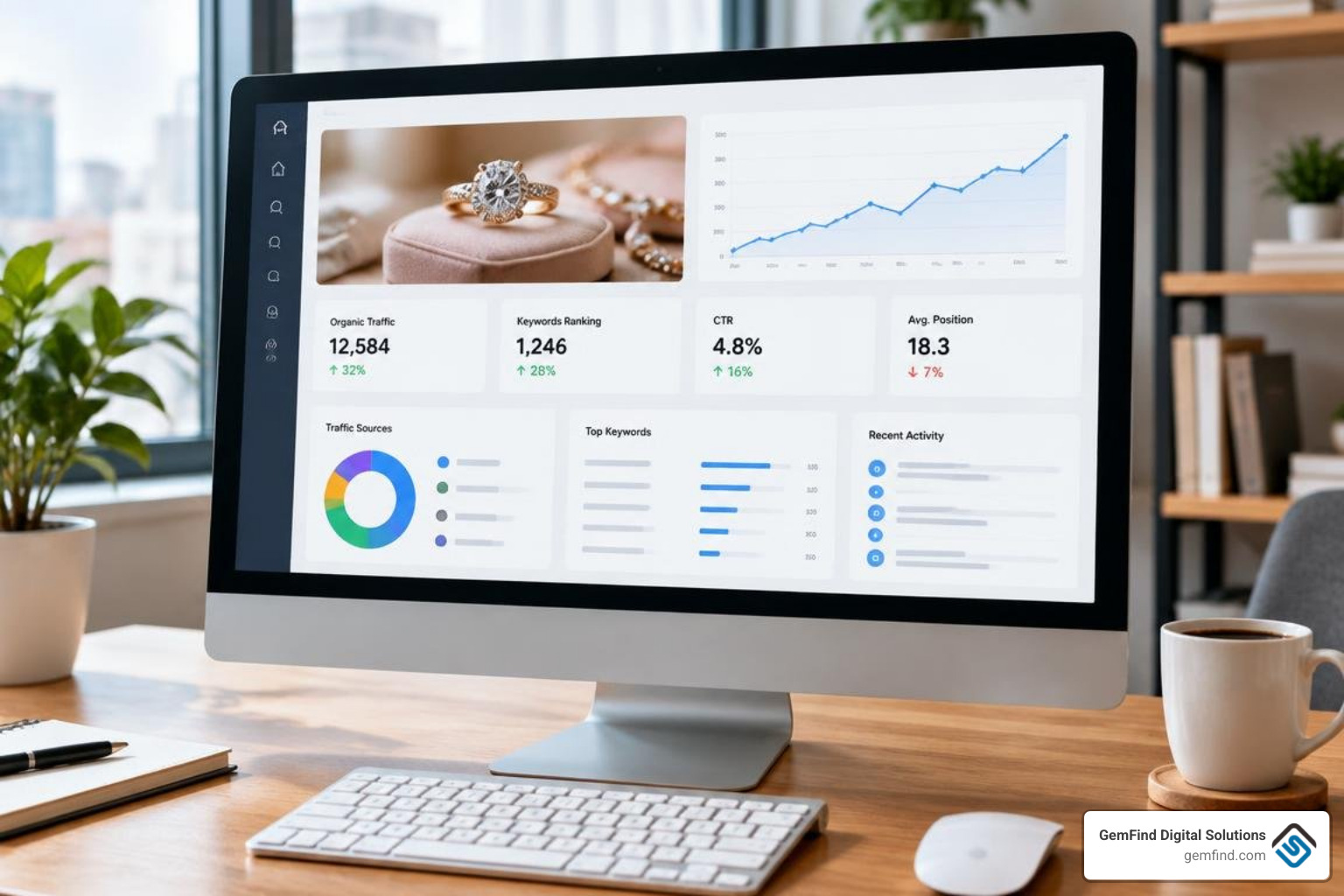
To add SEO to a website, start with four tasks: make sure search engines can access your pages, set up Google Search Console and submit a sitemap, choose a clear search topic for each important page, and write useful content that answers your customers' questions. For a jewelry store, that means giving your collections and services clear pages before you spend time chasing backlinks.
SEO is not a launch-day switch. Use the first 90 days to check indexing, improve pages, and fix problems you find. Then keep publishing helpful content and earning relevant links.
I'm Morgan Price, a backlink outreach specialist who knows that people searching "add seo to website" need a sound foundation before outreach. I've researched link opportunities, built publisher relationships, and worked with content teams to create resources worth linking to.
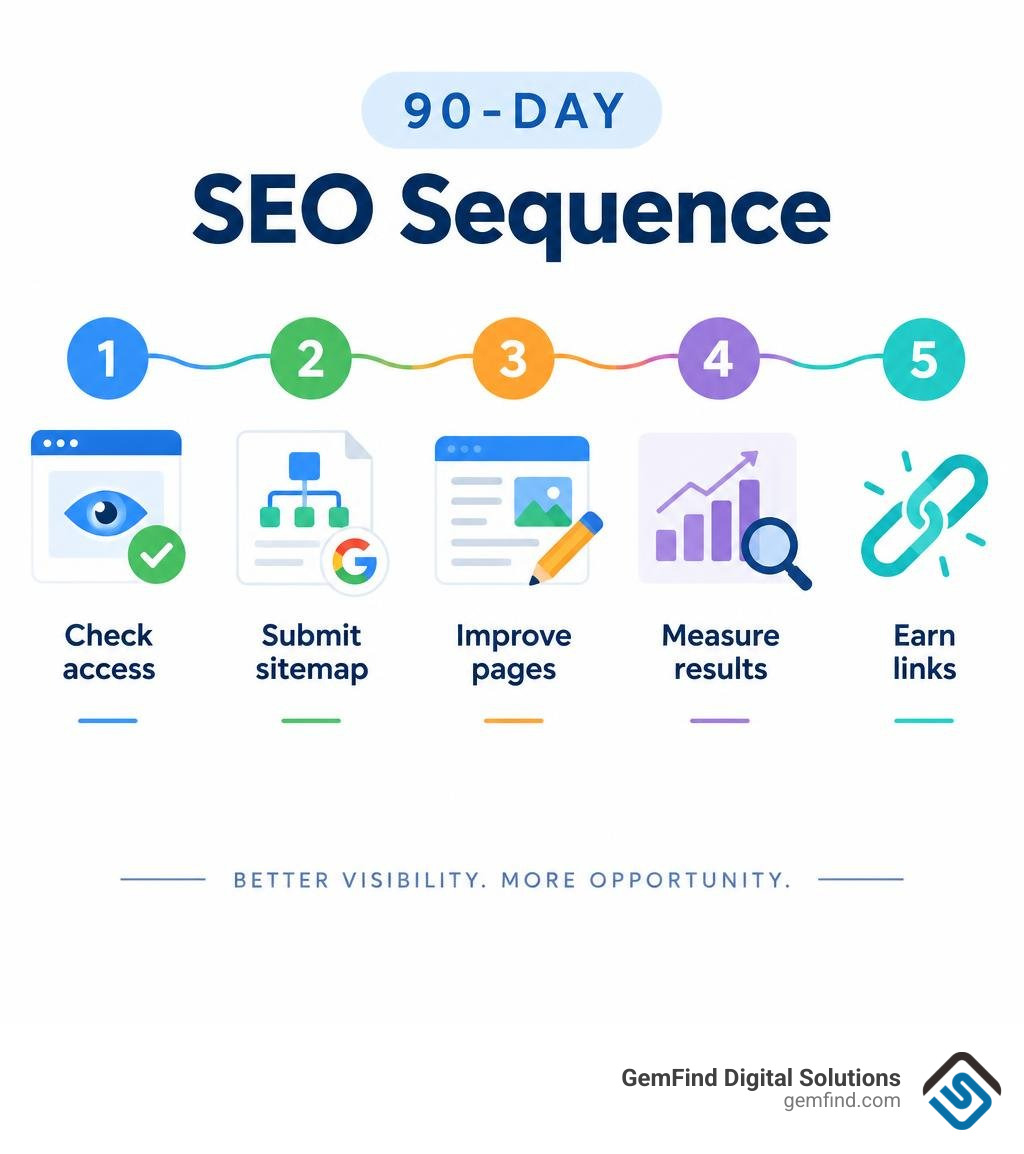
Simple add seo to website word guide:
Essential Steps to Add SEO to Website Architecture and Technical Setup
Building a new website without technical search engine optimization is like opening a luxury boutique in an unmarked alley with no front door. Search engines need clear pathways to discover your pages, understand what you sell, and index your content accurately.
When you configure your technical setup early, you prevent indexing headaches that become costly and time-consuming to unravel later. As outlined in Google Search Central technical SEO documentation, search engines rely on automated crawlers to discover, render, and index web pages. If code errors, restrictive server settings, or broken directives block those crawlers, your website will remain invisible to search engines and prospective shoppers.
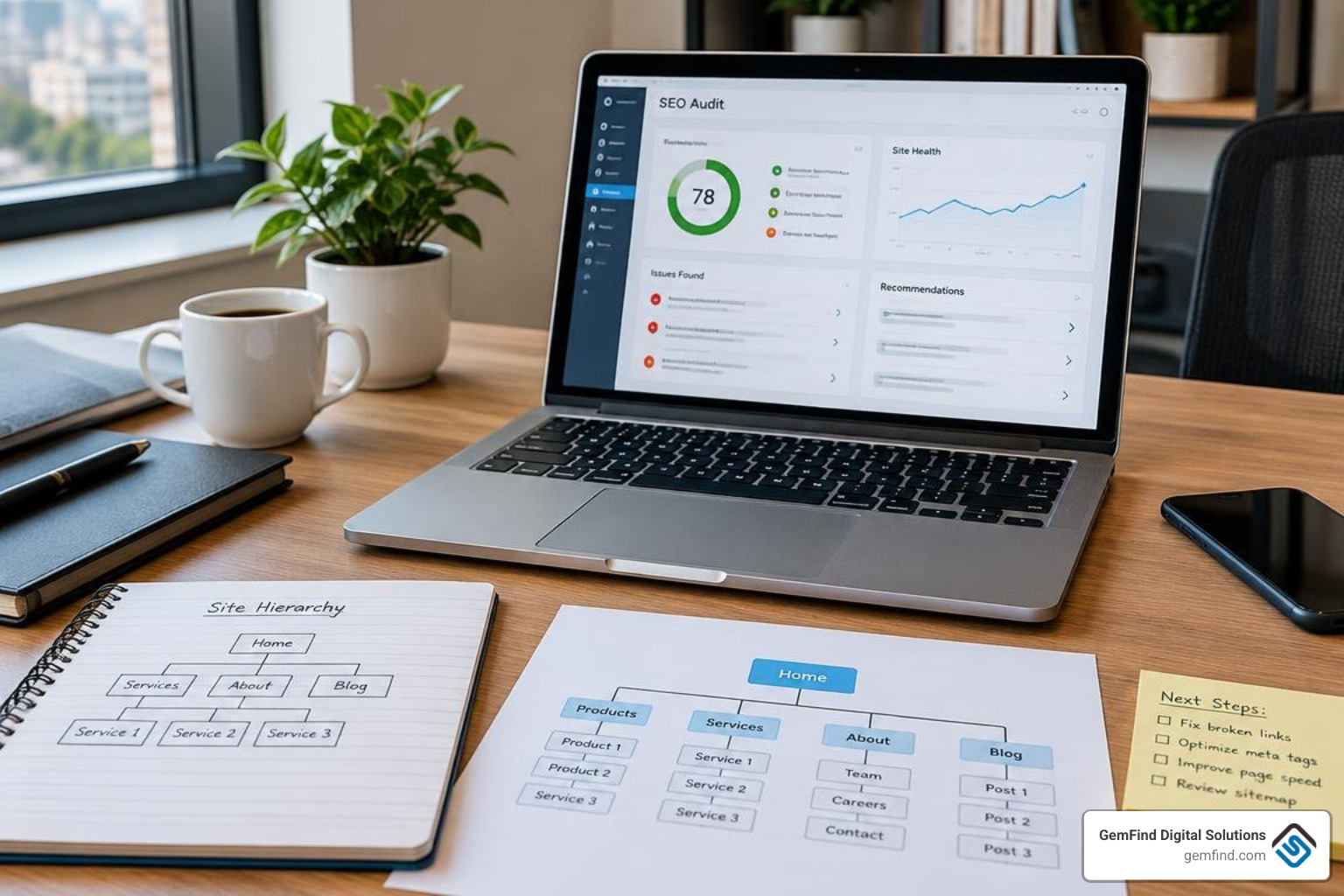
A comprehensive setup follows our SEO complete guide for 2026, focusing on these foundational technical baselines:
- HTTPS Encryption: Securing your website with an active SSL/TLS certificate is mandatory. Browsers flag unencrypted HTTP websites as unsafe, which damages user trust and undermines your search performance.
- Mobile-First Responsiveness: Over 60% of global internet traffic originates from mobile devices. Google operates exclusively on mobile-first indexing, evaluating the layout, performance, and usability of your mobile viewport to determine your search eligibility.
- Core Web Vitals and Page Speed: Aim for a Largest Contentful Paint (LCP) under 2.5 seconds. Slow page loads frustrate shoppers; a 5-second loading delay can cause bounce rates to soar up to 90%.
- Clean Permalinks: Ensure your platform generates human-readable URLs rather than messy database strings with random symbols and numbers.
Setting Up Indexing and Crawling Controls
Before you invite search engines to crawl your pages, you must give them a clear roadmap while keeping administrative files private.
- Verify Your Site in Google Search Console and Bing Webmaster Tools: Claim your domain properties immediately after launch. These free platforms allow you to monitor indexing health, test live rendering, and identify crawl errors.
-
Configure your robots.txt File: Place your
robots.txtfile in your root domain directory. Use it to prevent crawlers from wasting time on internal cart scripts, search filter query strings, or admin dashboards. Never userobots.txtto block low-quality pages from the search index; use a page-levelnoindexmeta robots tag instead. -
Submit an XML Sitemap: Generate an XML sitemap (usually located at
/sitemap.xml) that lists your canonical pages, categories, and published articles. Submit this link directly into Google Search Console to speed up URL discovery. -
Use Canonical Tags: Specify a
rel="canonical"tag on every page to point to its preferred URL version. This prevents duplicate content issues caused by tracking parameters or alternate product URLs.
Reviewing Google's search starter guidelines helps verify that your pages present clean HTML, unblocked CSS, and crawlable JavaScript so search bots can process your site as easily as a human visitor.
Structuring Site Architecture and URL Hierarchy
A logical site structure helps search engines crawl your content efficiently and allows visitors to find products within two to three clicks of your homepage.
-
Maintain a Flat Architecture: Avoid burying important collection pages inside deep subdirectories. A clean layout like
yourstore.com/engagement-rings/solitaire/is easy for search engines to evaluate. - Implement Breadcrumb Trails: Breadcrumbs guide users through your catalog hierarchy while generating structured navigation links that search crawlers use to map page relationships.
-
Plan Permanent URL Slugs: Choose short, descriptive URL slugs containing your target topic (such as
/custom-jewelry-design). Changing URLs after launch leads to broken links and lost ranking authority. If you must adjust a slug, always implement an immediate 301 permanent redirect from the old URL to the new destination.
On-Page Optimization vs. Off-Page SEO: Structuring Your Strategy
Adding search optimization to a website involves balancing two main areas: on-page optimization (everything you control directly on your website) and off-page SEO (signals and authority earned across the wider web).
| Optimization Pillar | Focus Areas | Primary Objective | Key Impact |
|---|---|---|---|
| On-Page SEO | Content relevance, keyword mapping, title tags, heading tags, internal linking, image alt text | Help search engines and users understand page context | Direct keyword rankings, user engagement, AI citations |
| Off-Page SEO | High-quality backlinks, digital PR mentions, directory citations, local review profiles | Build domain authority, trustworthiness, and external popularity | Crawl frequency, domain competitiveness, organic trust |
Establishing your content and technical foundation makes executing effective off-page SEO much easier, because authoritative publishers and partners only link to high-value, trustworthy resources.
How to Add SEO to Website Content and Target the Right Keywords
Optimizing content begins with researching what your prospective customers actually type into search bars. For new websites with fresh domains, chasing broad, hyper-competitive keywords often leads to frustration. Instead, target low-competition, high-intent keywords that align directly with what you sell.
- Match Search Intent: Determine whether a search query is informational ("how to clean diamond rings"), commercial ("best platinum wedding bands"), or transactional ("buy lab grown diamond earrings"). Match the content format on your page to that user intent.
- Strategic Keyword Clustering: Group related search phrases onto dedicated landing pages. Using strategic keyword clustering allows a single well-structured guide or collection page to capture dozens of long-tail search variations naturally.
- Write Compelling Title Tags and Meta Descriptions: Keep title tags under 60 characters with the primary keyword positioned near the beginning. Write descriptive meta descriptions under 155 characters featuring a clear call-to-action. While meta descriptions do not act as direct ranking factors, they function as your organic ad copy, directly influencing click-through rates.
-
Structure Clear Heading Hierarchies: Use a single
H1tag for your primary page title, followed by logicalH2andH3subheadings to organize topics without skipping levels. - Optimize Visual Media: High-resolution imagery is essential for showcasing fine jewelry and luxury goods, but heavy files slow down page speeds. Compress your images into modern formats like WebP, keep individual file sizes under 500 KB, and add descriptive alt text to improve accessibility and visual search ranking.
Proper on-page SEO optimization ensures that every page delivers informative, people-first copy rather than repetitive keyword stuffing.
Building Domain Authority and Earning Early Backlinks
Once your on-page content is live, you need external links to build domain trust. Google’s algorithms use inbound links as votes of confidence. The #1 organic result in Google captures an average 27.6% click-through rate and 10 times more clicks than the top paid ad, making organic authority well worth building.
- Claim Local Business Profiles: Claim and verify your Google Business Profile, Bing Places, and Apple Business Connect listings. Ensure your Name, Address, and Phone number (NAP) data matches your website contact page perfectly.
- Leverage Vendor and Supplier Partnerships: If you carry established designer brands or certified gem suppliers, ask to be listed on their official "Where to Buy" or retail partner directories.
- Publish Original Research and High-Utility Assets: Create visual guides, size charts, or educational care breakdowns that industry bloggers naturally want to reference.
- Target Map Searches: Local visibility is vital for brick-and-mortar stores. Focus on optimizing local SEO for map searches to capture the 46% of all Google searches that seek nearby local information.
Modern Search Strategy: Optimizing for AI Overviews and Search Engines
Search behavior has transformed dramatically. With ChatGPT reaching 900 million weekly active users in early 2026, millions of shoppers now turn to conversational AI platforms alongside traditional search engines.
Google AI Overviews, Perplexity, and ChatGPT Search synthesize answers by pulling data from multiple indexed web sources. Research shows that roughly 73% of pages cited in Google AI Overviews also rank within the top 10 traditional search results, meaning traditional SEO and generative optimization work hand-in-hand.
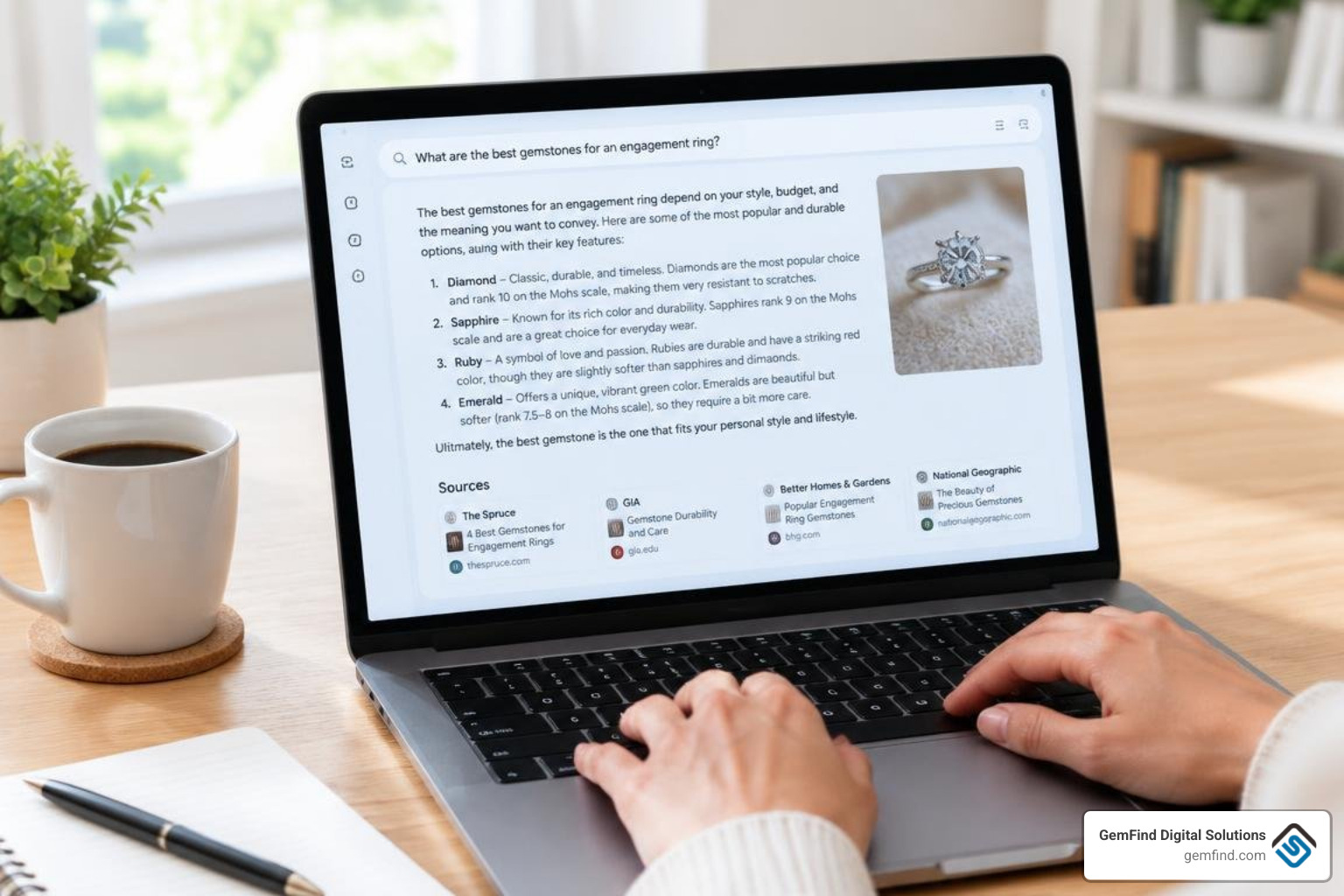
Understanding AI SEO essentials ensures your brand remains visible across both traditional SERPs and interactive answer engines.
Best Practices to Add SEO to Website Pages for AI Discovery
AI models and search engines evaluate clear entity relationships and structured data to synthesize accurate recommendations.
- Incorporate Schema.org Structured Data: Use JSON-LD structured data to explicitly define your organization, products, physical address, customer reviews, and article author details. Adding structured data helps search crawlers parse product specifications without ambiguity.
- Provide Direct, Extractable Answers: AI models favor concise, direct explanations. Place short, bulleted key takeaways or direct definitions right below your main section headings.
- Establish Strong Entity Clarity: Keep your brand name, core product categories, and expert credentials consistent across every page and directory listing so AI knowledge graphs understand your business entity.
Free and Low-Cost Tools to Monitor Organic Visibility
You do not need an enterprise software budget to track your website’s organic progress. A beginner-friendly toolkit includes:
- Google Search Console: Free tracking for organic impressions, keyword queries, indexing status, and Core Web Vitals.
- Google Analytics 4: Free measurement of user engagement, traffic sources, conversion rates, and revenue attribution.
- Google PageSpeed Insights: Free analysis of mobile and desktop loading speed with direct performance recommendations.
- Rich Results Test: Google's official validator for checking whether your JSON-LD Schema structured data markup is error-free.
- Bing Webmaster Tools: Free diagnostic tool for crawling issues, keyword reporting, and sitemap health across Bing search.
Timelines, Expectations, and Common Beginner Mistakes to Avoid
Adding SEO to a website is an ongoing investment that compounds over time, not an overnight shortcut.
When launching a new domain, expect a realistic timeline:
- Weeks 1 to 4: Search engine bots discover your sitemap, begin crawling URLs, and populate basic indexing reports in Search Console.
- Months 2 to 3: Initial impressions appear for branded queries and specific long-tail keywords.
- Months 4 to 6: Keyword rankings move into prominent SERP positions, generating initial organic clicks and traffic.
- Months 6 to 12: Domain authority compounds, driving consistent organic leads and sales.
Avoid these common beginner mistakes along the way:
- Keyword Stuffing: Repeating the same search phrase unnaturally damages readability and signals low content quality to search engines.
- Altering URL Structures Unnecessarily: Changing URL slugs after pages are indexed creates broken links and drains accumulated link equity.
- Publishing Thin AI Content: Generating hundreds of generic pages without original insight or human review results in unhelpful content that search engines frequently ignore.
- Neglecting Mobile Usability: Testing your website only on desktop screens can hide broken mobile menus, slow loading times, or small tap targets that drive mobile shoppers away.
Frequently Asked Questions About Adding SEO to a Website
How long does it take to see results after adding SEO to a new website?
For a brand-new domain, noticeable ranking improvements and traffic growth typically appear within 4 to 6 months of steady optimization. Initial impressions and URL indexing occur within the first few weeks, but building the domain trust needed to rank for competitive commercial queries requires consistent content publishing and link acquisition.
What is the difference between on-page SEO and off-page SEO?
On-page SEO refers to optimizing elements directly on your website, including technical architecture, URL structures, keyword targeting, title tags, internal linking, and high-quality content. Off-page SEO involves building external credibility and authority across other websites through backlinks, directory listings, digital PR, and positive customer reviews.
Can I add SEO to my website myself or do I need an agency?
Business owners can manage initial SEO tasks themselves, such as claiming Google Search Console, submitting sitemaps, optimizing title tags, and creating people-first product descriptions. However, as your business grows or enters competitive markets, partnering with a specialized agency helps solve complex technical challenges, scale high-value link building, and implement advanced POS and e-commerce integrations.
Conclusion
Starting your SEO journey requires patience, consistent execution, and attention to technical details. By setting up clean site architecture, targeting winnable keywords with helpful content, and following modern optimization practices, you build a sustainable digital asset that generates traffic for years to come.
At GemFind Digital Solutions, we have spent over 25 years helping businesses navigate digital marketing, custom web design, and specialized e-commerce integrations as a dedicated Shopify and Google Partner. For an in-depth breakdown of tailored search strategies, explore our complete 2026 jewelry SEO guide.
— Morgan Price, Backlink Outreach Specialist at GemFind Digital Solutions


