


Improving Local SEO Starts With Being Easy to Find and Trust
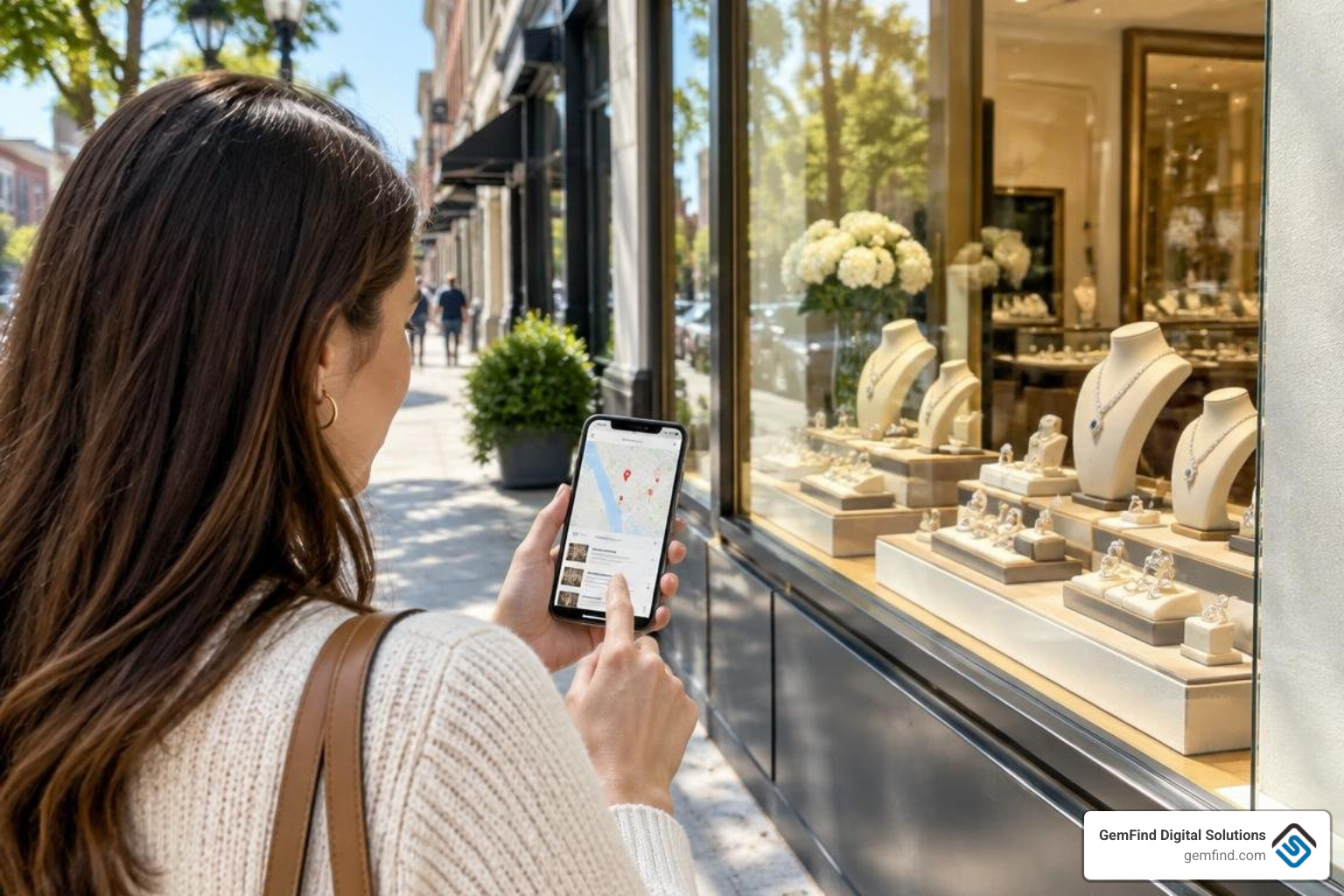
Start with the basics: Claim and complete your Google Business Profile, choose the right business category, and keep your store name, address, phone number, and hours accurate everywhere they appear. Then ask customers for honest reviews, add useful location details to your website, and earn links from local organizations you genuinely work with.
For a jewelry store, improving local SEO means helping nearby shoppers find the right store when they are ready to visit, call, or buy. The steps above give search engines clear information and give shoppers more reasons to choose you.
I'm Morgan Price, a backlink outreach specialist with experience improving local seo through careful research and genuine relationships. I'll show you how to build on these basics for lasting local visibility.
Important improving local seo terms:
Understanding Core Ranking Factors for Improving Local SEO
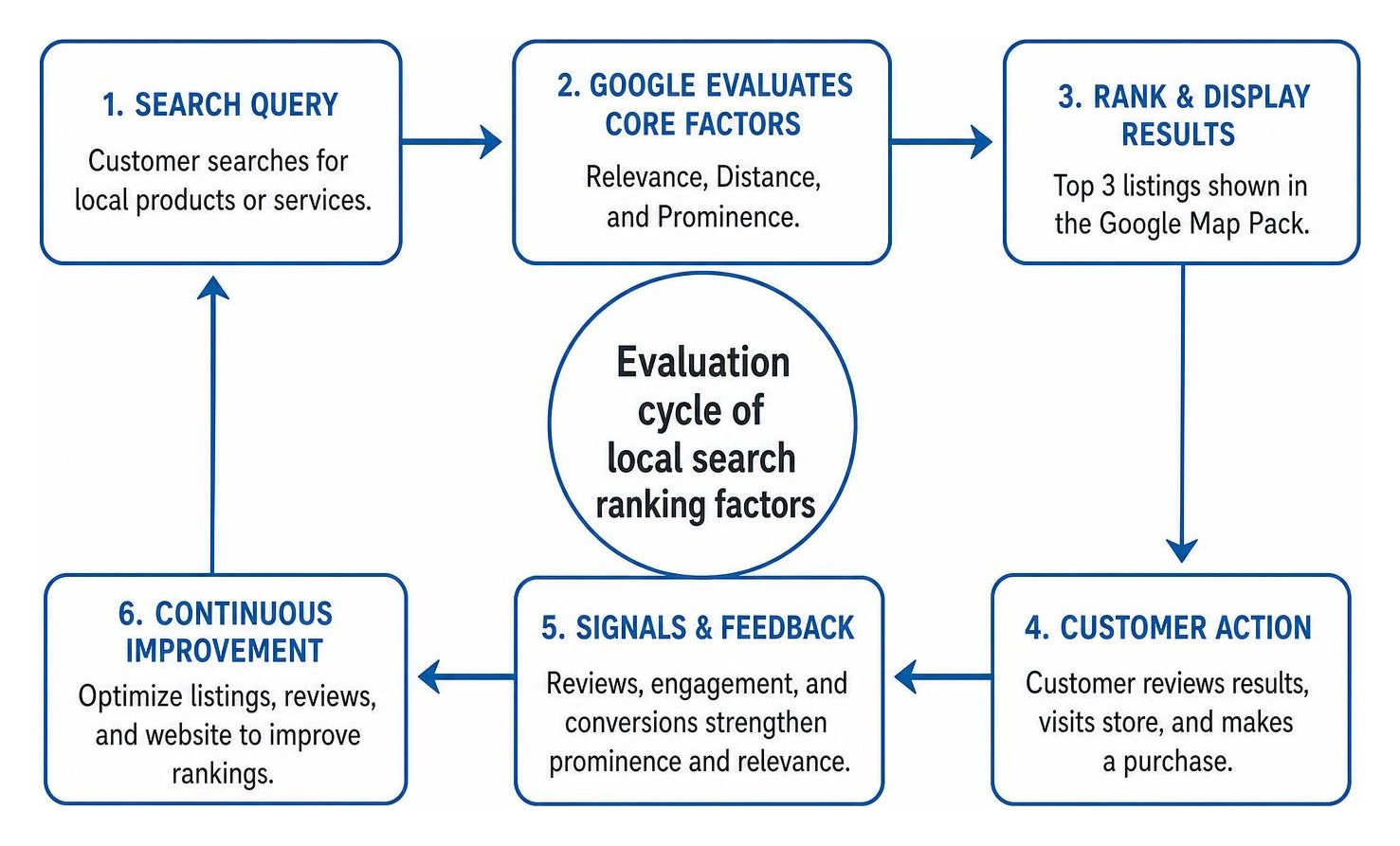
When a customer searches for custom engagement rings or diamond appraisals, Google works to deliver the most useful, nearby results. Winning one of the top three spots in the Google Map Pack isn't random. It is driven by Google's core local evaluation criteria: relevance, distance, and prominence.
Understanding how these elements interact allows you to align your website and directory assets with what the search engine wants to deliver.
| Ranking Pillar | What Google Looks At | Primary Action Items | Impact on Map Pack |
|---|---|---|---|
| Relevance | How closely your listing matches the search query | Set accurate categories, add detailed service listings, incorporate local keywords | High: Determines if you qualify for the search query |
| Distance | Physical proximity of your store to the searcher or named area | Maintain verified address details, embed maps, optimize geo-signals | Critical: Filters results based on geographic proximity |
| Prominence | How established, well-reviewed, and reputable your store is online | Collect authentic reviews, build local backlinks, optimize directory citations | Decisive: Separates top 3 listings from lower-ranking competitors |
According to official tips to improve your local ranking on Google from Google Business Profile Help, providing comprehensive business information helps search algorithms match your storefront with high-intent shoppers. Mastering your Google SEO location signals forms the bedrock of this strategy.
How Google Evaluates Relevance, Distance, and Prominence
Google’s local algorithm evaluates each search using distinct signals:
- Relevance: Google measures listing completeness, business category precision, and website contextual match. If your profile explicitly outlines custom engagement design, gemstone repair, and fine timepieces, your relevance score surges for those precise queries.
- Distance: Searcher proximity is calculated either from the user's current GPS location or from geographic terms included in the query (such as a specific neighborhood or downtown district).
- Prominence: This factor reflects your business's overall brand authority. Google weighs review count, star ratings, review sentiment, local news mentions, and website domain authority.
The High-Conversion Value of Local Search for Small Businesses
Local search traffic delivers outstanding conversion intent. Research shows that 46% of all internet searches carry local intent, and 50% of smartphone users visit a store within a day of conducting a local search. Furthermore, 60% of smartphone users contact a business directly using local search results.
Shoppers searching for high-value items want to examine craftsmanship in person, consult with knowledgeable specialists, and ensure post-purchase service reliability. Implementing proven approaches for how local SEO can help jewelers attract more customers ensures that your physical showroom is the first destination nearby buyers discover.
Optimizing Your Google Business Profile and Directory Citations
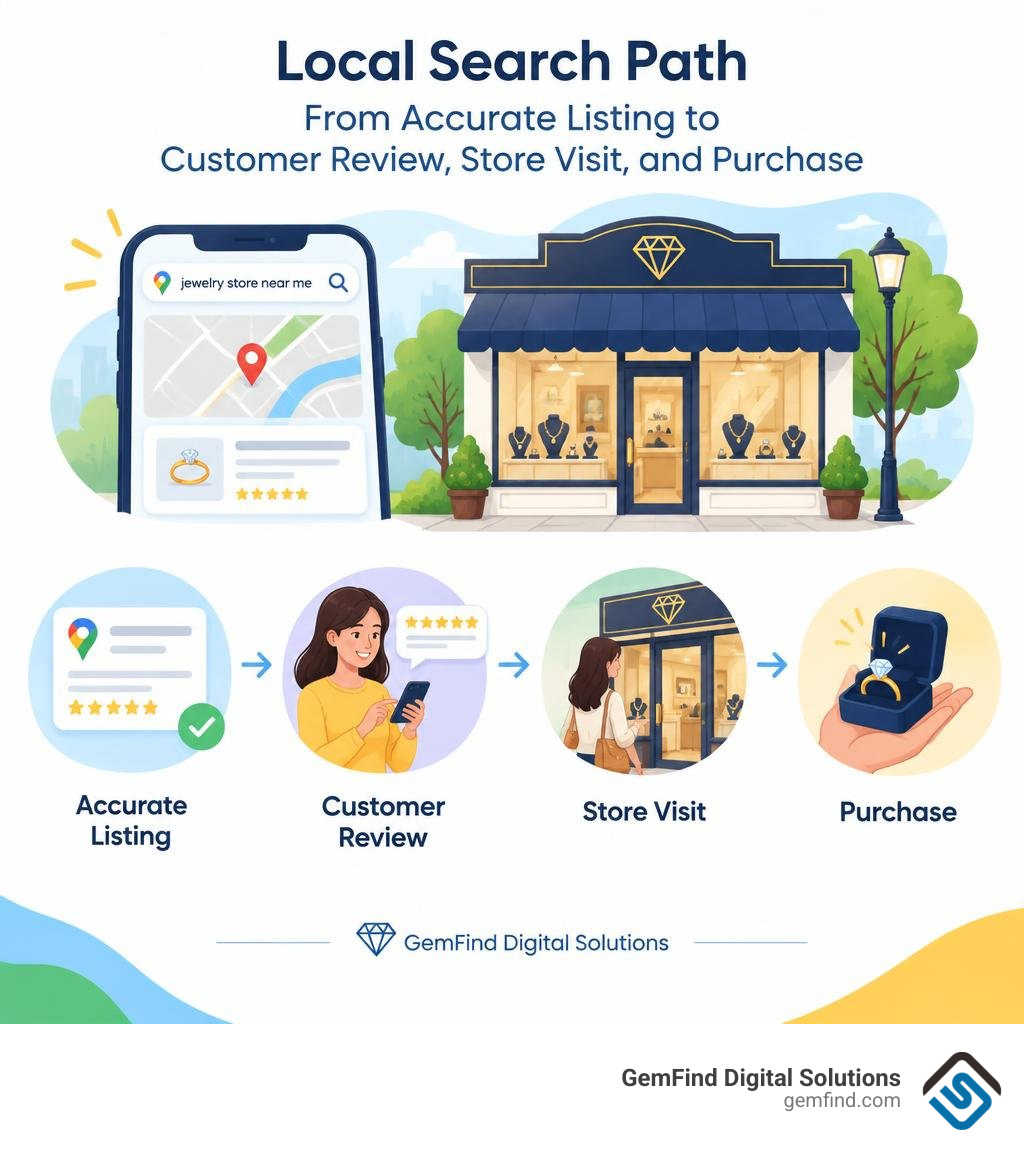
Your Google Business Profile (GBP) functions as your digital storefront. Data reveals that 97% of consumers learn about local businesses online, and customers are 70% more likely to visit and 50% more likely to buy from businesses with a complete Business Profile.

Taking time to master Google Maps for your jewelry store pays substantial dividends in qualified foot traffic.
Actionable Profile Optimization for Improving Local SEO Visibility
To establish competitive visibility, follow these profile enhancement steps:
- Complete the Verification Process: Verify your physical location via postcard, phone, or video verification as required by Google.
- Choose Precise Categories: Designate your primary category with care (such as Jeweler) and add relevant secondary categories (like Jewelry Appraiser, Jewelry Designer, or Watch Repair Service).
- Showcase In-Store Inventory: Take advantage of GBP’s product catalog feature. Display signature collections, wedding bands, and popular styles with clear pricing, descriptions, and direct links to your site.
- Publish Visual Updates: Regularly upload high-resolution photography of your showroom, workbench, custom pieces, and staff.
- Use Weekly Google Posts: Announce trunk shows, holiday sales, new designer collections, and educational buying guides.
Carefully configuring these assets allows you to optimize your jewelry store's Google listing for maximum visibility and capture local shoppers early in their decision-making process.
Maintaining Consistent NAP Across Online Directories
NAP consistency—ensuring your Name, Address, and Phone number match across the web—is fundamental to local search visibility. Up to 63% of consumers report that incorrect business details would stop them from using a local business.
When search engines see matching NAP information across reputable directories, their confidence in your business data increases, strengthening your local map pack rankings.
Building Trust: Online Reviews and Local Backlinks
Consumer reviews and authentic local backlinks serve as strong prominence signals for local search algorithms.
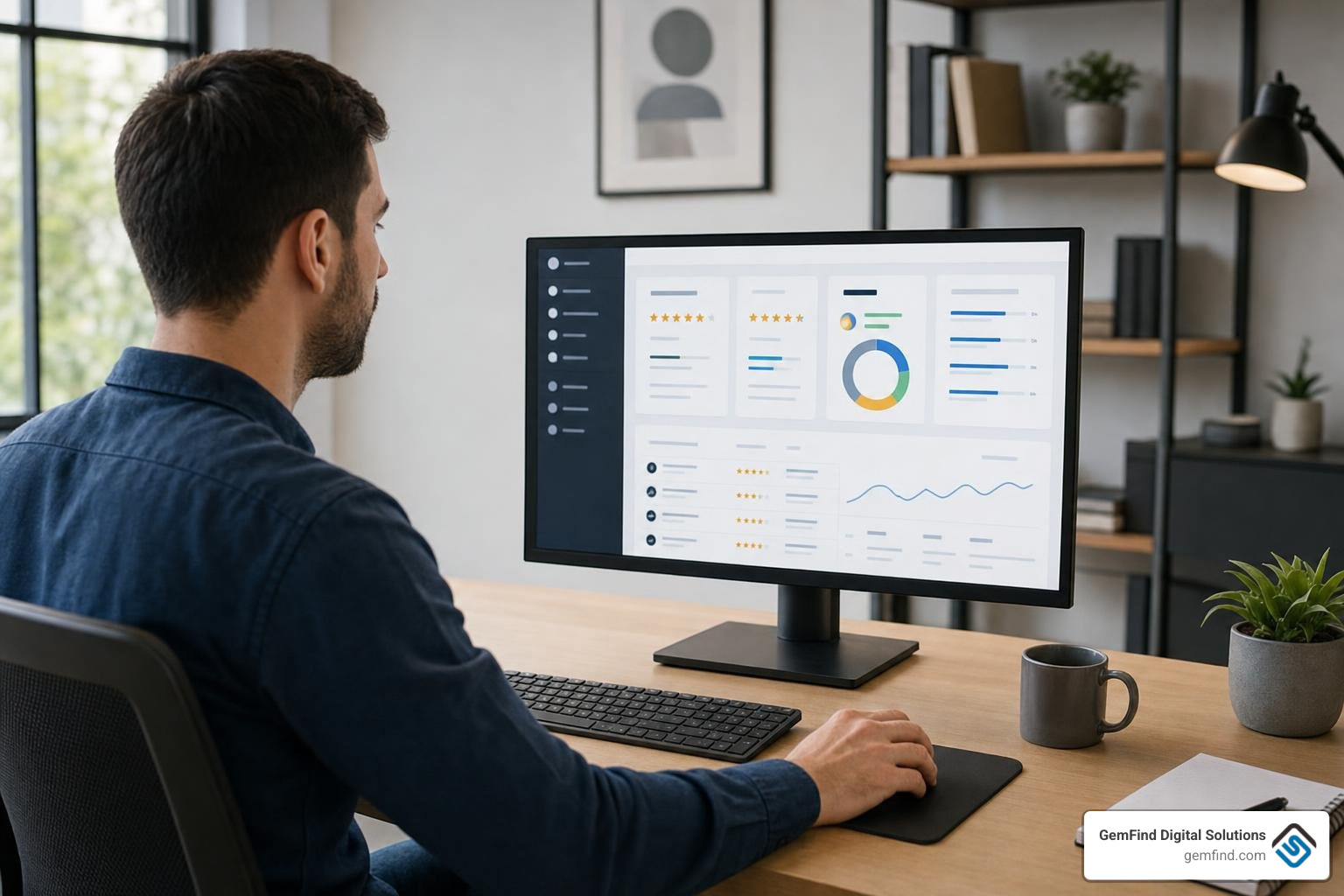
Managing your incoming feedback and using online reviews to close more sales can transform customer satisfaction into a predictable marketing channel.
Review Acquisition and Reputation Management Best Practices
Online reviews directly sway consumer purchasing decisions and algorithm rankings. In fact, research demonstrates that every additional one-star increase in a Yelp rating can produce a revenue increase of up to 9%.
To run an ethical, high-performing review program:
- Ask at the Right Moment: Request feedback right after a positive milestone, like a completed custom design or an engagement ring pickup.
- Provide Direct Review Links: Send short links via automated SMS or email follow-ups to make leaving feedback effortless.
- Respond to Every Review: Craft warm, individualized responses to 5-star testimonials, and address critical reviews promptly and empathetically.
For an in-depth breakdown of review strategy, read the ultimate guide to local search and local SEO on Yoast alongside our playbook on managing your jewelry store's online reputation.
Earning Local Backlinks Through Community Engagement
Backlinks from nearby businesses and civic organizations tell search engines that your business is deeply rooted in the community. As we explain in our guide to local organic ranking domination for jewelers, high-authority local links can elevate your entire website.
Consider these relationship-driven link strategies:
- Chamber of Commerce Memberships: Secure listings on local municipal business directories and chamber member portals.
- Charity and Event Sponsorships: Support local galas, arts programs, or youth sports teams that include sponsor recognition links on their event pages.
- Local Business Collaborations: Partner with neighborhood bridal boutiques, florists, and wedding planners to publish co-authored wedding planning guides featuring mutual links.
- Regional PR Outreach: Pitch stories about anniversary milestones, unique custom heirloom restorations, or design workshops to local lifestyle magazines and regional newspapers.
Website Localization: On-Page SEO, Content, and Schema Markup
Having a fast, well-structured website is just as crucial as maintaining your Google Business Profile. When you combine on-page geographic targeting with technical structured data, you make it easy for search engine crawlers to understand your exact service territory.
Learning how to rank in jewelry stores near me searches starts with deliberate on-page localization.
Implementing Local Business Schema Markup
Schema markup is structured code placed within your website’s HTML that provides search engines with explicit information about your business. Adding LocalBusiness or JewelryStore JSON-LD schema allows search engines to index your opening hours, exact GPS coordinates, price range, accepted payment methods, and contact details without ambiguity.
Key schema properties to configure include:
-
@type: "JewelryStore" -
name: Your official business name -
address: Complete street, city, state, and postal code -
geo: Precise latitude and longitude coordinates -
telephone: Primary local phone line -
openingHoursSpecification: Daily operating schedule -
hasMap: Direct URL link to your Google Maps listing
Testing your markup with Google's Rich Results Test ensures clean indexing and eligibility for rich SERP snippets.
Optimizing Landing Pages and Content for Improving Local SEO Performance
If you operate multiple showrooms or cater to adjacent communities, create distinct, high-quality location pages for each market.
Every location page should feature:
- Unique City-Targeted Copy: Avoid duplicate copy across pages. Highlight neighborhood landmarks, custom services, and store specialties tailored to that community.
- Embedded Google Maps: Embed your live Google Maps location to reinforce your geographic location signals.
- Customer Testimonials from That Area: Showcase quotes from nearby clients who purchased from that specific store.
- Targeted On-Page Elements: Include the city and neighborhood name naturally in your H1 heading, title tag, URL slug, image alt text, and meta description.
Review our resource on what you need to know about localization to build a scalable content strategy across your target markets.
Mobile Optimization, Voice Search, and Performance Tracking
Mobile experiences and conversational queries shape how consumers discover brick-and-mortar stores. Ensuring your website performs seamlessly on mobile screens protects your ranking gains and keeps bounce rates low.
Following the roadmap in our Local Maps SEO Guide 2026 ensures your digital presence is built for how people search today.
Adapting Web Pages for Voice Search and Conversational Queries
With smart assistants and mobile voice search handling daily queries, people increasingly search using natural, full-sentence questions.
To capture voice queries:
- Target Conversational Phrases: Build content around questions like "Where can I get a diamond ring resized near me?" or "Who is the best custom jeweler downtown?"
- Add FAQ Accordions: Implement FAQ sections with clear, concise answers directly below product and service descriptions.
- Maintain High Page Speed: Optimize images and streamline code so pages load instantly on mobile networks.
Tracking Local Search Results and Timelines
Local SEO is an ongoing process of optimization, monitoring, and refinement. Track your progress using these key metrics:
- GBP Insights: Monitor total business profile interactions, phone calls, website clicks, and direction requests month-over-month.
- Map Pack Rank Trackers: Use geo-grid tracking tools to see how your store ranks across different zip codes and neighborhoods.
- Organic Search Rankings: Monitor organic rankings for high-intent terms like custom engagement rings [city] or watch repair near me.
- Review Velocity and Sentiment: Track the monthly volume of incoming reviews and monitor overall star ratings across platforms.
Frequently Asked Questions about Local SEO
How long does it take to see results from local SEO?
Initial improvements in profile visibility and directory citations typically appear within 4 to 8 weeks after verification and optimization. However, achieving top Map Pack rankings in competitive metropolitan areas generally requires 3 to 6 months of consistent review generation, link building, and content refinement.
What are the most important ranking factors for the Google Map Pack?
The Google Map Pack algorithm is driven by three main pillars: relevance (matching business categories and service descriptions), distance (physical proximity to the searcher), and prominence (review count, review scores, citation consistency, and backlink authority).
How do online reviews impact local search visibility?
Online reviews serve as a major prominence signal for Google’s local algorithms. A steady stream of positive, recent reviews that mention specific services helps improve your local ranking, while boosting click-through rates and building customer trust.
Conclusion
Transforming your showroom from a hidden gem into your community's favorite destination requires consistency across every digital channel. By verifying and polishing your Google Business Profile, keeping NAP citations accurate, building authentic local backlinks, and optimizing your website with structured data, you build an enduring local search presence.
At GemFind Digital Solutions, we have spent over 25 years helping independent jewelers grow their visibility and revenue. As an official Shopify and Google Partner, our team develops tailored marketing strategies, custom web designs, and specialized tools—like Edge POS integration—built specifically for the jewelry industry.
When you are ready to expand your showroom's reach and dominate the local map pack, discover how our dedicated local SEO services for small business can help you attract and convert nearby shoppers.
— Morgan Price


