


Turn Custom Design Marketing Into Sales, Not Just Attention

To market custom designs effectively, build one clear brand system, use it across print and digital, and give every asset a next step. For a jewelry store, that can mean matching postcards, packaging, social ads, and product pages - then using a QR code or short URL to take shoppers directly to a mobile-friendly collection, custom builder, or appointment form.
Custom design marketing works best when it connects memorable physical materials with measurable online actions. A high-quality card, gift box, direct-mail piece, or useful branded item can make your work feel more valuable. But the design must stay consistent: use the same logo rules, color palette, and no more than two fonts across every touchpoint.
The goal is not to put your logo on everything. It is to create a connected experience that helps people recognize your brand, explore your designs, and buy with confidence.
I am Anthony Arechiga, Vice President of Sales at GemFind Digital Solutions, where I have helped grow web design, digital marketing, and e-commerce solutions for the jewelry industry since 2007. In this custom design marketing playbook, I will show how jewelry businesses can connect their brand assets to stronger digital visibility and online sales.
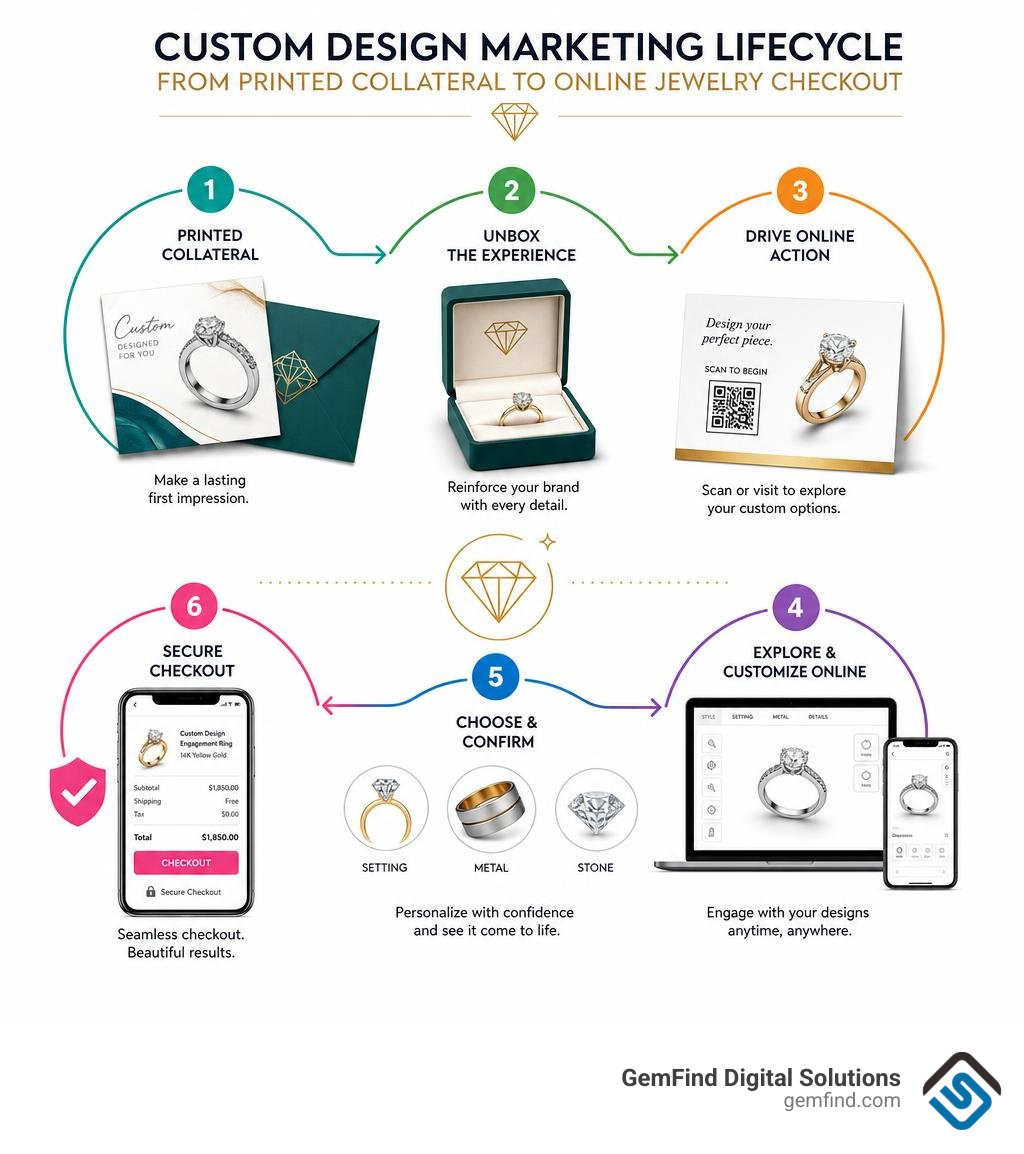
Simple guide to custom design marketing terms:
- Jewelry branding agency
- Luxury jewelry marketing
- Jewelry marketing strategies
Strategic Foundations of Custom Design Marketing

At GemFind Digital Solutions, we have spent over 25 years helping modern jewelers and creators establish memorable visual identities. A great custom piece of jewelry or bespoke artwork speaks for itself on the workbench, but reaching prospective clients requires clear, cohesive communication across every channel.
Strong marketing relies on visual consistency, disciplined typography, and an understanding of impression value. When your print collateral and merchandise carry the exact aesthetic standards of your digital showroom, client trust naturally rises.
Visual Identity Consistency Across Physical and Digital Touchpoints
When designing marketing assets, clarity is paramount. A common misstep is introducing too many competing visual elements. As a rule of thumb, limit your typography to two primary font families:
- Headlines: An expressive serif or elegant script that commands attention and conveys artisanal craftsmanship.
- Body Copy: A clean, modern sans-serif font optimized for high legibility across small print cards, lookbooks, and mobile displays.
Ensure your color palette uses standardized color values (CMYK for print, RGB/HEX for web) to prevent color drift across printed collateral, digital ads, and web pages. If you need bespoke creative support, working with dedicated design specialists can help streamline production and keep assets aligned.
Maximizing ROI with High-Utility Branded Collateral
Promotional merchandise should never be treated as disposable novelties. In luxury and bespoke markets, low-quality items dilute your brand reputation. Research reveals that 78% of consumers only keep a branded item when they find it genuinely useful. Furthermore, nearly half of corporate buyers have shifted spend toward fewer, higher-quality items to avoid waste.
Selecting the right tactile medium generates high brand visibility at an exceptional value:
| Collateral / Product Type | Lifetime Impressions | Average Retention Period | Cost-Per-Impression Metric | Primary Marketing Advantage |
|---|---|---|---|---|
| Custom Outerwear & Hoodies | ~6,100 impressions | 12+ months | Under $0.002 per impression | Highest overall reach and street visibility |
| Custom Tote Bags | ~5,000 impressions | 10+ months | ~1/10 of a cent ($0.001) | Best cost-per-impression in hard goods |
| Insulated Tumblers & Drinkware | ~3,000 impressions | 12+ months | ~$0.003 per impression | Daily desk/lifestyle exposure; high perceived value |
| Precision Metal Pens | ~3,000 impressions | 6–9 months | Under 1/10 of a cent ($0.0008) | Lowest upfront cost with daily utility |
| Tactile Print Postcards & Booklets | 3–5 direct exposures | Active campaign life | Highly variable / Targeted | Ideal for hyper-targeted direct mail campaigns |
Long-retention items like structured caps, heavy canvas totes, and insulated tumblers give creators lasting visibility. By investing in higher-grade materials—whether sourced via platforms like Custom Marketing Materials & Marketing Products or Custom Marketing Materials – Design and Print Online—your physical marketing assets continuously reinforce your quality standards.
Bridging Physical Assets and Omnichannel Digital Funnels
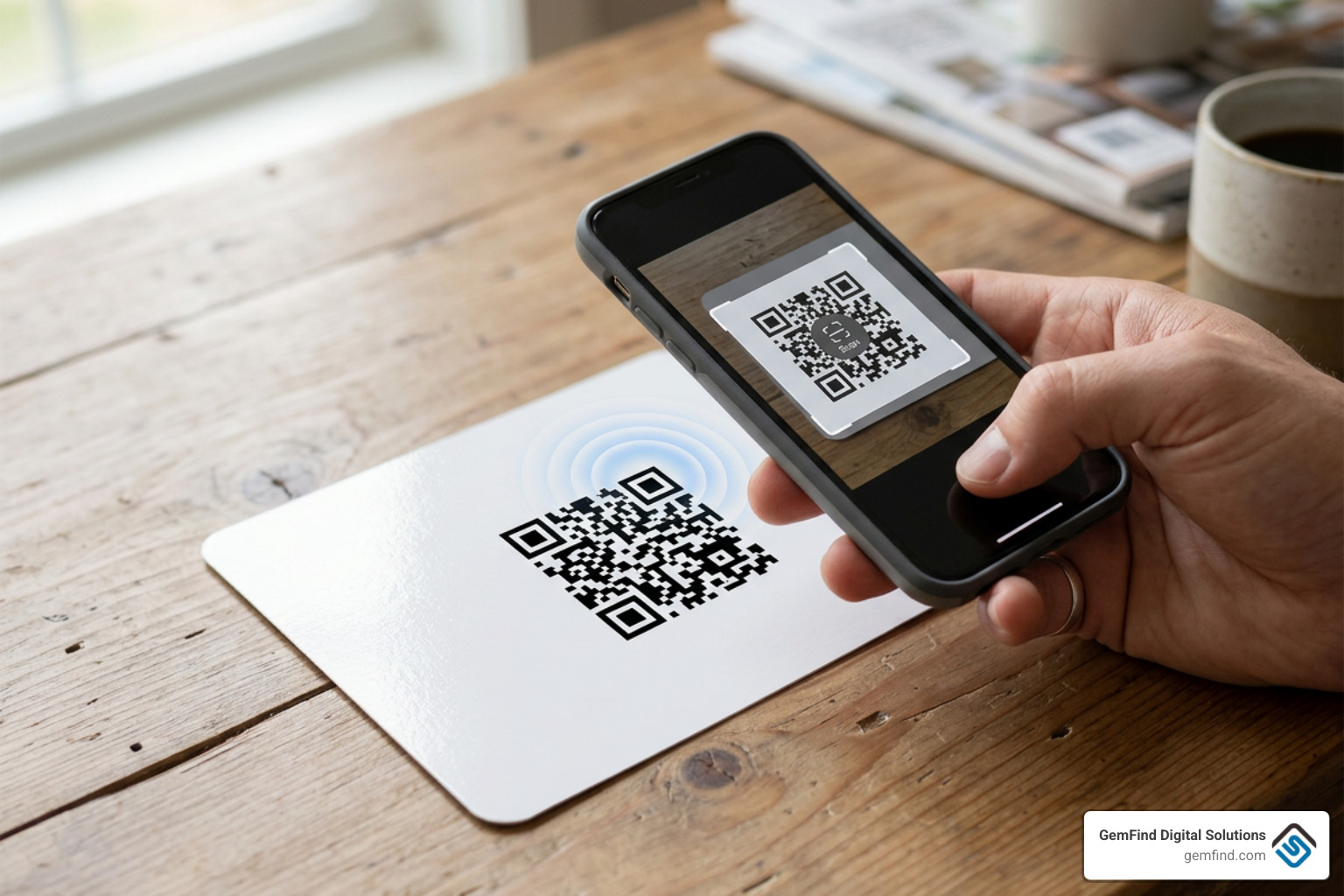
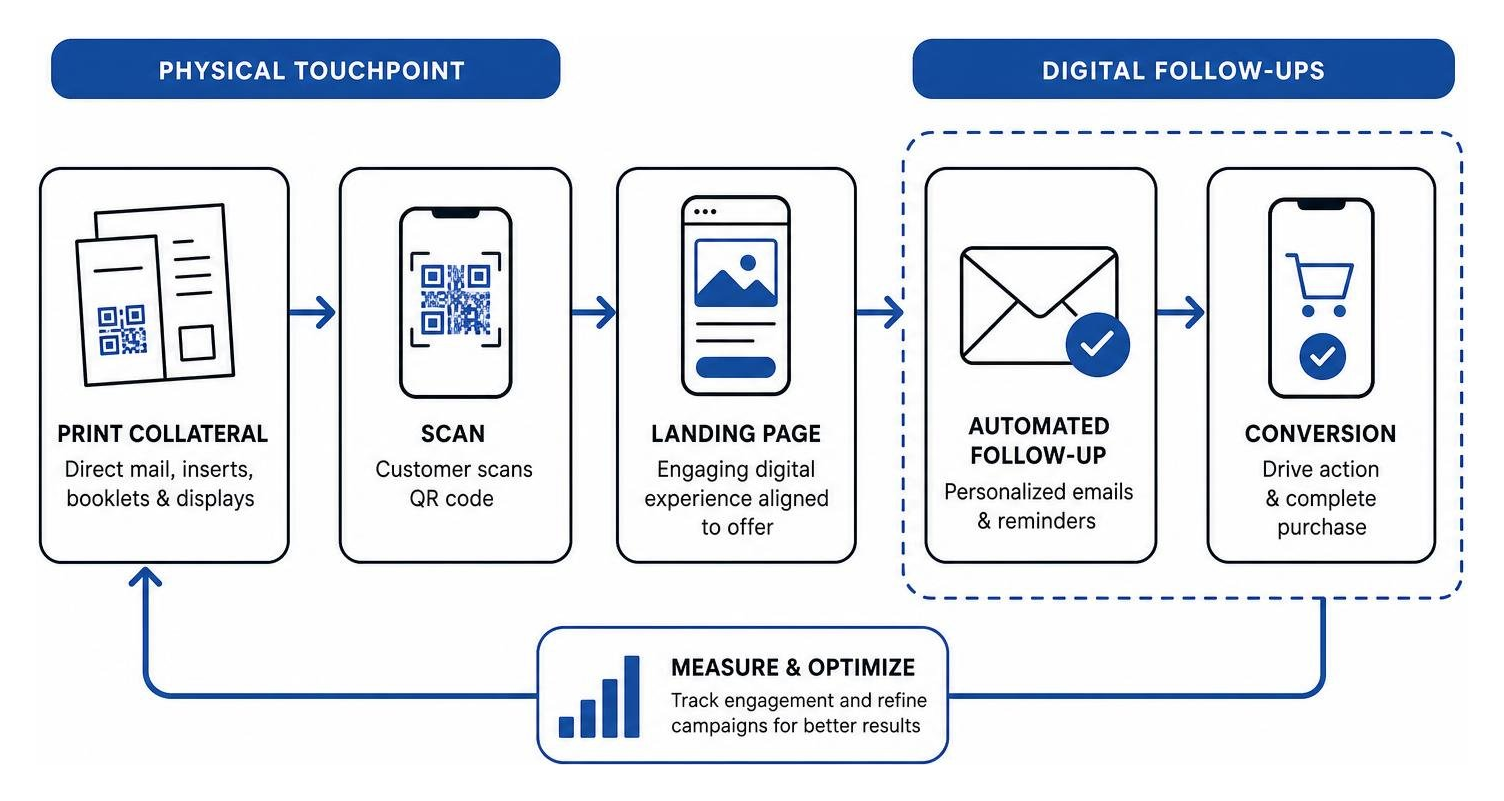
Physical marketing collateral should never exist in a vacuum. The most successful modern campaigns bridge the tactile world with digital checkout funnels.
Integrating QR Codes into Custom Design Marketing
Modern QR codes make it simple to turn print interactions into measurable digital actions. A custom direct-mail piece, counter display, or jewelry box insert should direct shoppers to an engaging digital next step.
For instance, scanning an insert can lead a customer directly to our interactive custom jewelry try on experience, allowing them to visualize rings and pendants right from their smartphone.
When implementing QR codes:
- Use dynamic QR codes: These allow you to update the destination URL without reprinting your materials.
- Add campaign tracking parameters: Append UTM tags so your analytics platform can attribute traffic and conversions accurately.
- Provide a frictionless landing page: Ensure the page loads fast, features a clear call to action, and is fully responsive on mobile devices.
Hyper-Targeted Direct Mail and Automated Follow-Up Sequences
Direct mail delivers standout engagement when paired with audience segmentation and digital retargeting. Modern digital printing enables variable data personalization, addressing clients by name and featuring imagery relevant to their specific interests.
When a client receives a personalized catalog or event invitation, pair that touchpoint with a 2-2-2 lead cadence:
- Day 2: Follow up via email or SMS with digital lookbook access.
- Week 2: Deploy retargeting ads featuring the custom styles they viewed online.
- Month 2: Send an exclusive invitation for a private consultation.
To understand how to structure your online presence for these integrated funnels, review our custom jewelry websites complete guide.
Interactive Digital Tools to Showcase and Sell Bespoke Products
Marketing custom-designed products requires interactive digital experiences that allow clients to explore their options in real time.
Scaling Bespoke E-Commerce with Interactive 3D Product Builders
Static images can leave customers uncertain about custom configurations. Integrating self-guided design tools directly into your website allows shoppers to personalize their items and view immediate visual updates.
Learn how a custom jewelry builder can boost sales by empowering shoppers to visualize metal types, settings, and diamond shapes. Adding dedicated tools like our ringbuilder or our specialized custom diamond ring builder turns passive website traffic into engaged, qualified leads.
Creators looking to broaden their catalog can also deploy interactive builders across other categories:
- Allow clients to create personalized jewelry with tailored inscriptions and stone selections.
- Offer bridal couples tools to build custom his and hers rings or design your wedding band.
- Incorporate specialty builders for heritage pieces like a custom family crest ring or design workflows to create your own engagement ring.
Executing AI Workflows for Custom Design Marketing
Modern marketing requires creating campaign variations across multiple formats and ad platforms quickly. Creators can now leverage AI workflows to streamline their production without losing brand consistency.
Platforms such as CXGO | Your AI Marketing Assistant and AI Customizable Design — One Brief into Every Brand Variant | Lovart help teams turn a single design brief into matching digital ads, email templates, and print variants. By combining AI asset generation with established brand kits, creators can scale their campaign output while keeping typography, voice, and color palettes uniform.
Industry-Specific Campaigns and High-Value Client Retention
For luxury creators, client retention is built on exceptional unboxing experiences and ongoing appreciation programs.
High-Impact Strategies for Luxury and Creator Brands
Every touchpoint after the sale is an opportunity to strengthen customer loyalty:
- Tactile Presentation Packaging: Heavyweight presentation boxes, foil-stamped certificates of authenticity, and embossed care cards reinforce product quality.
- Digital Integration in Packaging: Include a QR code linking to care instructions, insurance appraisal documents, or a VIP loyalty club.
- Digital Storytelling: Know how to best showcase your custom jewelry pieces on your website using high-resolution video and client testimonials.
- Specialized Landing Pages: Build a dedicated custom jewelry design website that clearly walks clients through your design consultation process.
For businesses looking to launch end-to-end branded merchandise or incentive programs, partnering with specialized promotional vendors can help structure long-term reward and client loyalty initiatives.
Measuring Retention and Brand Loyalty in Custom Design Marketing
To ensure your campaigns remain profitable, track performance metrics across both print and digital touchpoints:
- Direct Mail Scan & Redemption Rates: Measure traffic generated via unique QR codes or promotion codes.
- Merchandise Retention: Prioritize reordering high-utility items like tumblers and outerwear that keep your brand visible over time.
- Repeat Purchase Rate: Monitor how custom unboxing collateral influences secondary purchases and referrals.
- Builder Interaction & Conversion: Track engagement time on tools like your diamond ring creator or wedding rings design your own modules.
Frequently Asked Questions
What are the most effective promotional products by ROI for bespoke brands?
High-utility items consistently deliver the strongest return on investment. Custom outerwear and hoodies generate roughly 6,100 lifetime impressions, while canvas tote bags yield approximately 5,000 impressions at about 1/10 of a cent per impression. Insulated tumblers and quality metal pens also provide extended retention periods, keeping your brand top-of-mind.
How do modern brands maintain design consistency across multiple physical mediums?
To ensure consistency, establish a centralized brand kit defining exact color codes (CMYK, RGB, Pantone) and typography standards. Limit font selections to two styles (typically a decorative headline font and a legible sans-serif body font). Always request pre-press digital proofs to confirm layout and color fidelity before approving bulk production runs.
How do QR codes effectively connect print collateral to digital sales funnels?
Use dynamic QR codes embedded with UTM tracking parameters. These direct offline recipients to fast-loading, mobile-optimized landing pages, consultation booking forms, or interactive product customizers. This provides a clear path to purchase while giving you accurate attribution data for your print spend.
Conclusion
Building a successful custom design marketing strategy requires pairing tactile, high-quality physical assets with intuitive, interactive digital tools. When your print collateral, merchandise, and web experience share a unified visual language, prospective buyers can explore and purchase your designs with complete confidence.
At GemFind Digital Solutions, we specialize in helping jewelry brands and custom creators scale their businesses through comprehensive digital marketing solutions, custom web development, and proprietary 3D interactive builders. Contact our team today to elevate your brand presence and turn custom artistry into sustained revenue.


